⸺ SMOOTHING OUT THE SMALL STUFF
Paint Correction in Baxter, MN
Enhance Your Paint's Natural Finish
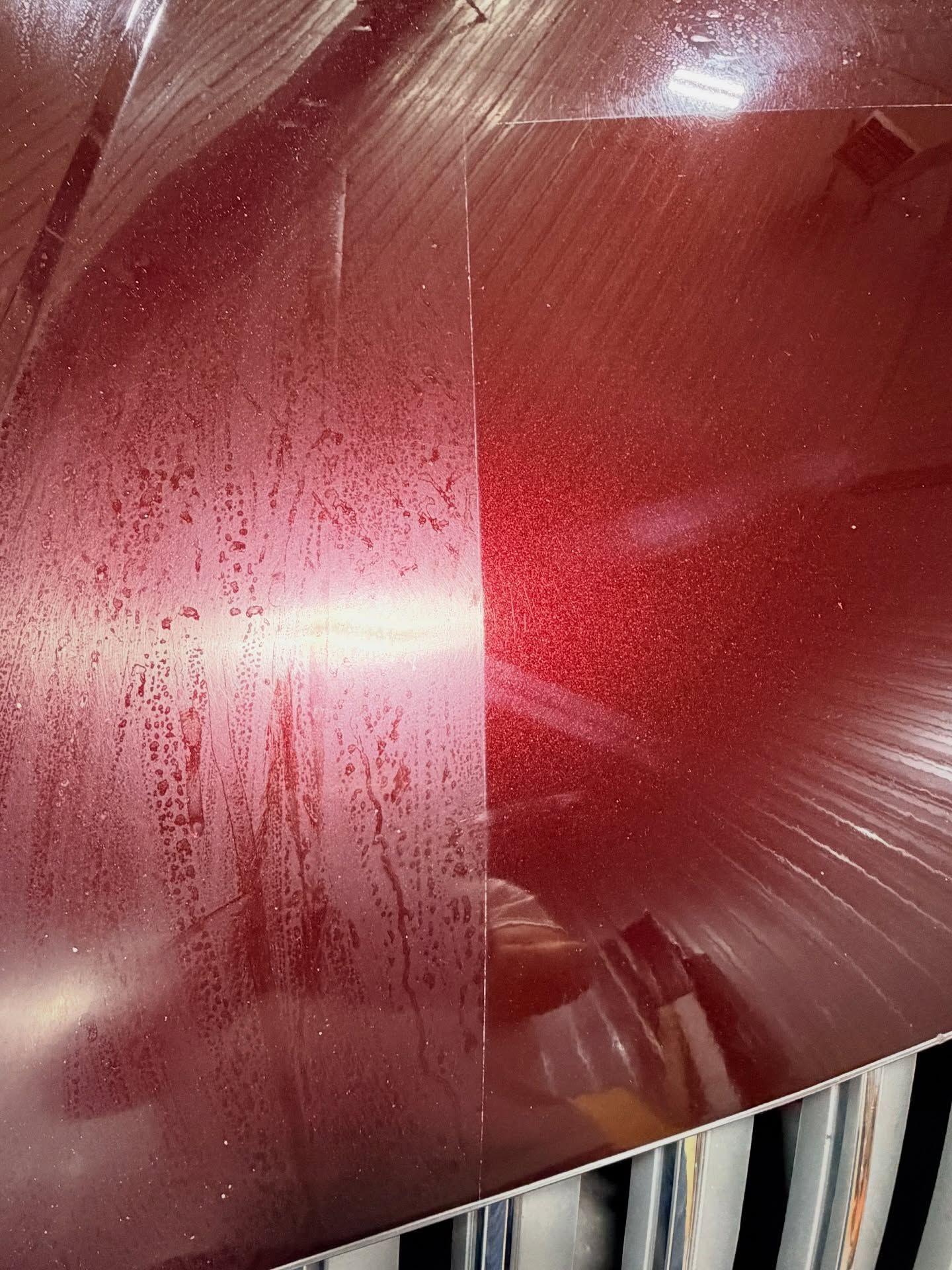
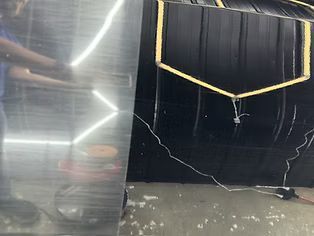
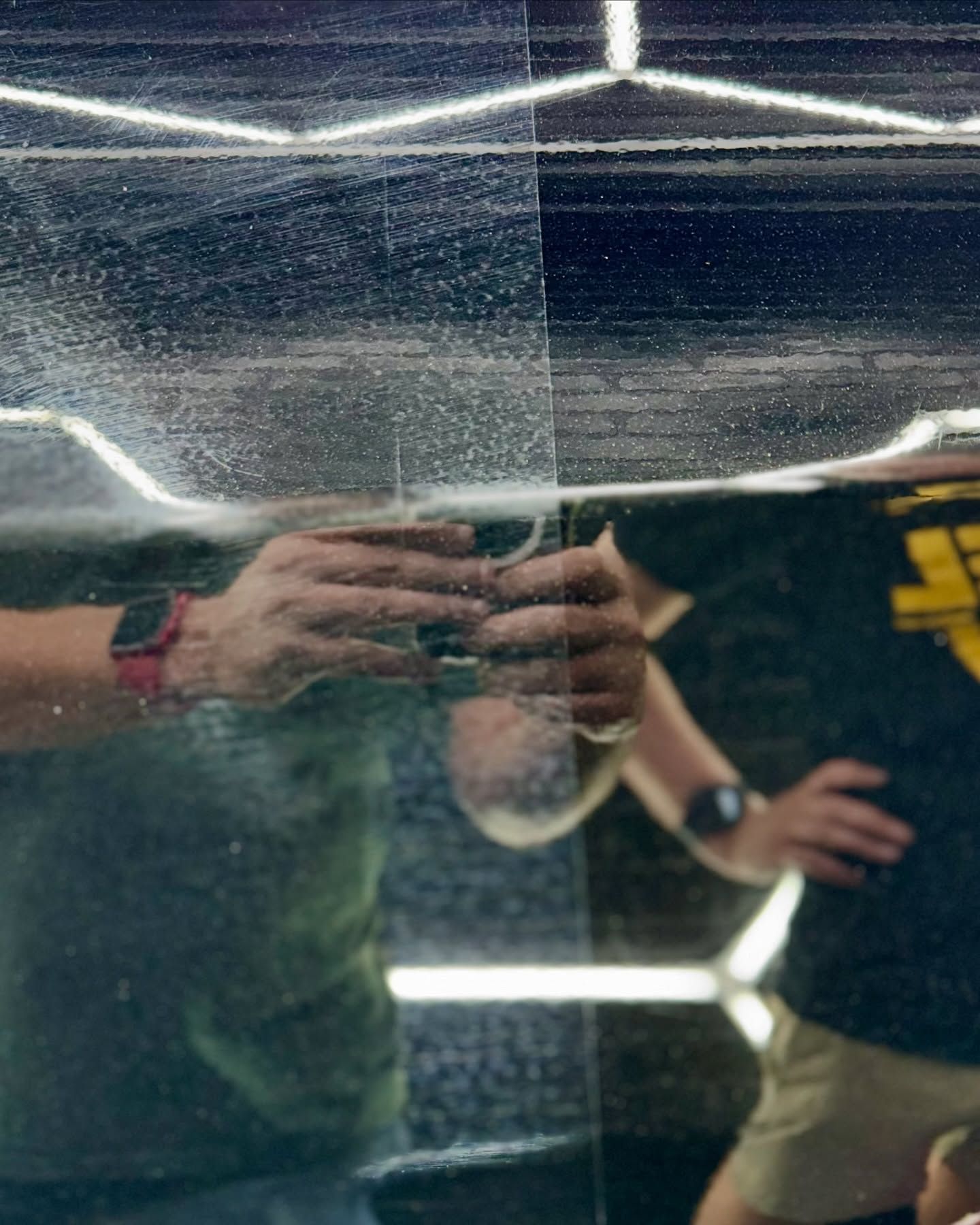
Paint correction smooths out swirl marks, light scratches, and other surface imperfections that build up on a vehicle's clear coat over time. Hill's Auto & Tinting Solutions offers paint correction in Baxter, MN, tailoring the level of polishing to what each vehicle's paint actually needs, whether that means a one step polish or a full wet sanding process. Most vehicles see meaningful improvement, though deep scratches that penetrate the clear coat may not fully disappear. Paint correction pairs well with ceramic coating for owners who want a lasting finish on top of a smoother surface. Regular washing and improper wiping down are the most common causes of the swirl marks that correction is designed to remove, which is why even well cared for vehicles can benefit from a correction service every so often.
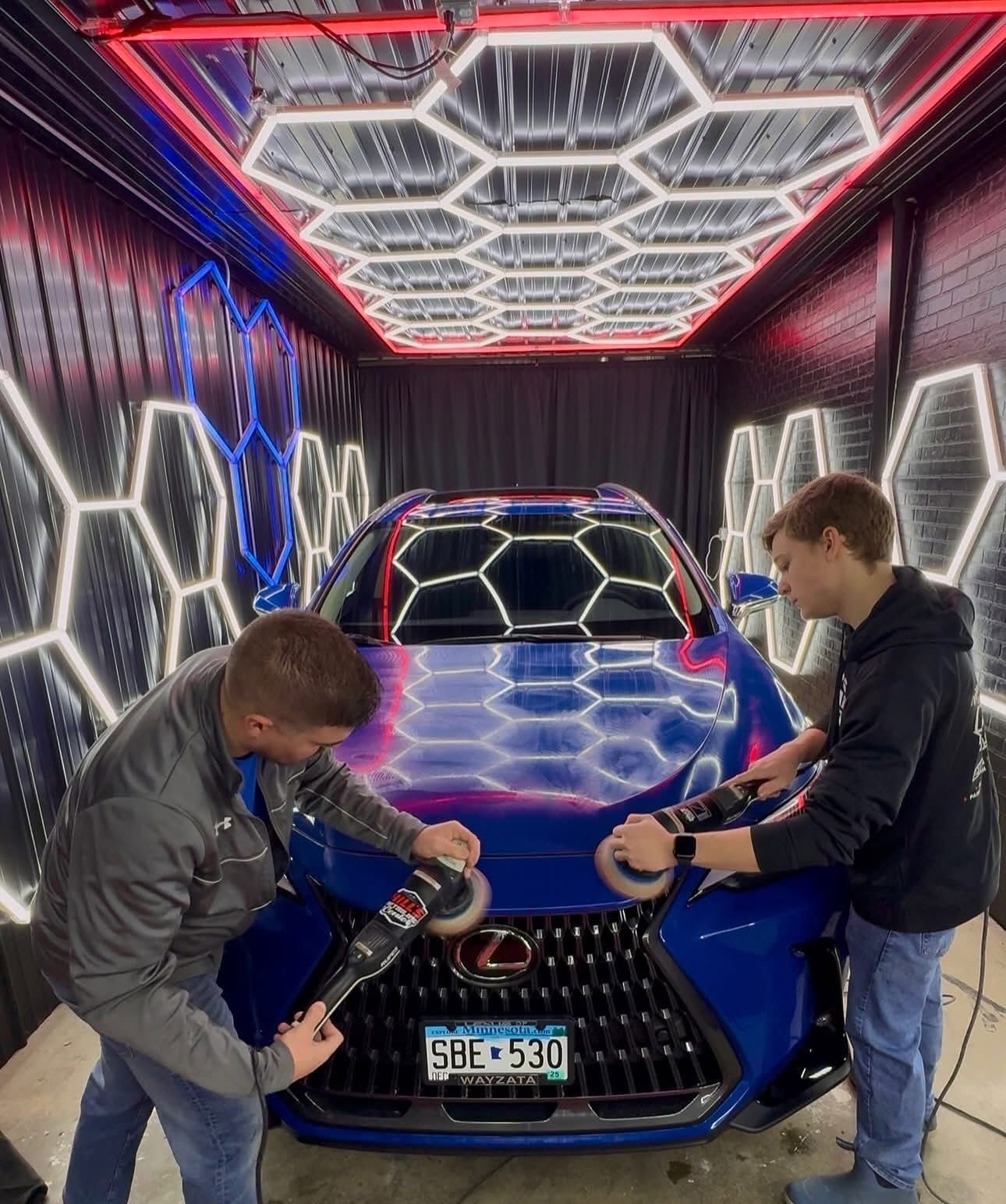
Our Paint Correction Package
Buff
A tailored correction process that matches the level of polishing to what your paint actually needs. It's designed to work for everything from lightly swirled paint to more heavily oxidized finishes.
STARTING AT
$350
Turnaround: 5 to 8+ hours
THIS PACKAGE INCLUDES:
- Paint decontamination
- One-step polish for light imperfections
- Two-step compound and polish for deeper defects
- Wet sanding or color sanding for the most severe imperfections
- Paint sealant applied after correction
Find Your Paint Correction Path
Every vehicle's paint is different, and Hill's tailors the correction process to match. A quick look at the paint in natural light usually reveals how much correction will actually help. Vehicles that spend a lot of time outdoors or get washed at automated tunnels tend to need more correction than those kept in a garage and hand washed regularly. Many owners schedule paint correction shortly before a ceramic coating application to lock in the smoothest possible finish underneath. Call, request a free quote, or reach out through our contact page to talk through what your paint actually needs.
How Paint Correction Works
Paint Decontamination
Before any polishing begins, paint is decontaminated to remove embedded grime and impurities, giving a clean surface to work from. Skipping this step can grind contaminants into the paint during polishing.
One-Step Polish
A single stage polish is used on paint with lighter imperfections, targeting roughly 50 percent defect removal. It's often enough for vehicles that are only a couple of years old and well maintained.
Two-Step Compound and Polish
Deeper defects call for a two step process of compounding followed by polishing, targeting closer to 75 percent defect removal. The compounding stage levels out the surface before the finishing polish adds back the shine.
Wet Sanding for Severe Defects
The most severe imperfections may call for wet sanding or color sanding, targeting up to 90 percent defect removal before a finishing polish. This step is reserved for paint that has years of accumulated damage.
What Paint Correction Does Not Fix
Deep Scratches Through the Clear Coat
Correction only works on the clear coat, so scratches that cut through it and into the base paint cannot be fully polished out. Those usually need touch up paint or a professional repaint instead, and pushing correction too far in that spot can actually thin the clear coat.
Dents and Body Damage
Paint correction improves the surface finish, not dents, cracks, or other damage to the body panels themselves. Those repairs fall under paintless dent repair or body work, not detailing, and are best handled before any correction is scheduled.
Chips and Missing Paint
Rock chips or spots where paint has come off down to bare metal need touch up paint or a repaint, not correction. Correction can improve the paint around a chip, but it won't fill in or replace the missing material.
Long-Term Protection on Its Own
Correction improves the finish but doesn't add lasting protection by itself, which is why many owners pair it with ceramic coating. Without a topcoat, freshly corrected paint is still exposed to the same daily wear as before, and the smooth finish won't last as long without something to seal it in.
Frequently Asked Questions
How much of my paint's imperfections can be corrected?
Most vehicles see 50 to 90 percent defect removal depending on how deep the imperfections go, though deep scratches that penetrate the clear coat may not fully disappear. Your technician can give a more specific estimate after inspecting the paint in person.
How long does paint correction take?
Turnaround runs about 5 to 8 or more hours, depending on the level of correction needed. Vehicles requiring wet sanding typically fall on the longer end of that range, since that process takes extra care to get right.
Is paint correction the same as ceramic coating?
Paint correction and ceramic coating are two different services. Correction improves the paint's surface, while ceramic coating adds a long lasting topcoat, and the two are often done together for the best overall result.
What's the difference between one-step and two-step correction?
A one-step process uses a single polish for lighter imperfections, while a two-step process adds a compounding stage first to address deeper defects before polishing. Your technician will recommend the right approach based on the paint's actual condition after a close inspection.
